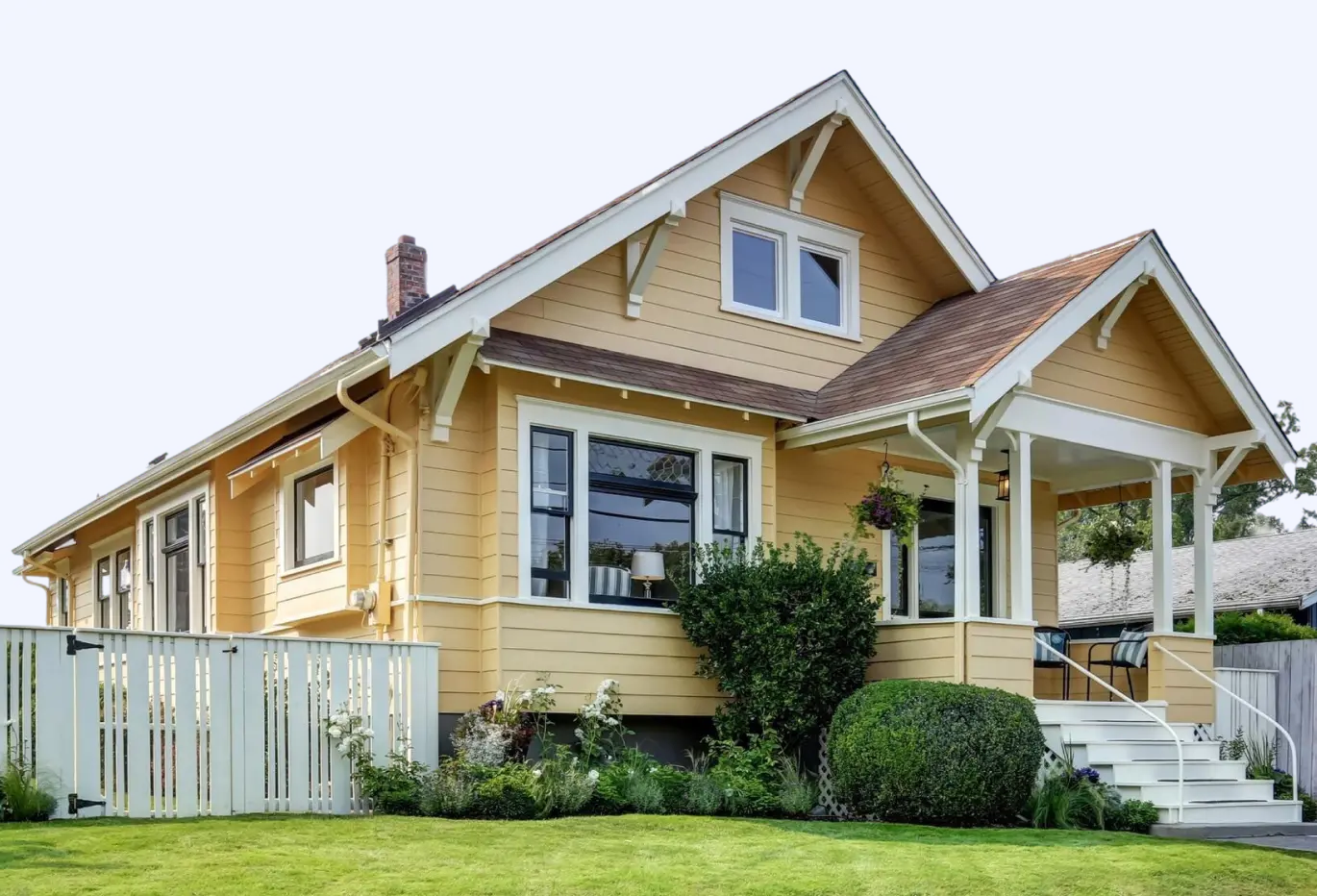


The state of Florida is known for its picturesque landscapes and sandy beaches, but it also has a reputation for being a hotspot for termite infestations. For homeowners, the question arises: Does homeowners insurance cover termite damage? Let's find out!
The Surprising Reality: Homeowners Insurance Doesn’t Cover Termite Damage
Many homeowners are surprised to discover that homeowners insurance doesn’t cover termite damage. But why? The truth is that insurance companies put more emphasis on natural disasters in Florida than they do on termites.
While many might believe that natural disasters are the leading cause of damage to homes, the truth is termites do more damage and destruction than fires, floods, and hurricanes combined. Yes, you read that correctly. Termites!
Despite this staggering fact, termites are not covered under a homeowners insurance policy. Even if a termite colony manages to destroy the structure of your home, they won’t help you pay for it.
Termites are a Preventable Risk
Insurance is fundamentally about mitigating risks. So why does insurance overlook such a damaging threat?
Research indicates that the insurance industry views termites as a highly predictable and preventable risk. Essentially, the insurance company knows that termites are a greater risk to your home than fires, floods, and hurricanes. Therefore, it becomes the homeowner's responsibility to prevent and control termite infestations.
The Solution: Termite Insurance, Inspections, and Treatments
Fortunately, while your standard homeowners insurance policy might not cover termite damage, specialized termite insurance is available. The professionals at Bingham Pest Control & Fumigation offer termite insurance, but it's essential to know that you can't purchase this without first getting a treatment.
Importance of Inspection, Treatment, and Warranty
If you're serious about protecting your home, three key steps should be taken:
- Get an Inspection: Before you can even think about treatment, you need to know the extent of your termite problem. Inspections are typically free, though there is a charge for the subsequent report.
- Secure a Treatment: This is a must for anyone serious about safeguarding their property against termites. And in some cases, it's a legal requirement.
- Acquire a Service Warranty: This ensures that you're protected against future infestations and gives you peace of mind.
Florida's Stance on Termite Treatment
In Florida, the law is strict when it comes to termites. For new construction, whether it's a brand-new build, remodeling, or even adding an addition, if you disturb the plumbing & electrical, a termite treatment is mandatory.
And if you're constructing a new home from the ground up? Termite treatment during the construction process isn't just recommended–it's state law. It's worth checking the specific wording of this law to know your exact obligations.
Federal Law for First-time Homebuyers
Beyond state regulations, federal laws also have a say. For first-time homebuyers seeking a government-backed loan, a termite inspection is not just a recommendation—it's a requirement.
What Types of Termites are in Florida?
In the Clearwater area, you have three primary termites to consider: Formosan, subterranean, and drywood. All three types of termites can be a serious problem, and it is important to take steps to protect your home or business from them. If you suspect that you have a termite infestation, it is important to call a professional exterminator immediately.
Drywood Termites
- Habitat: These termites thrive in dry wooden structures such as attics, furniture, and door frames, and they don't need soil contact.
- Distribution: Predominantly found in coastal areas of Florida, they're especially common in older homes.
- Distinct Features: Unlike subterranean termites, they don't create mud tubes.
- Detection: Homeowners often become aware of their presence due to their swarming behavior.
- Damage Potential: If overlooked, they can lead to extensive damage.
Dampwood Termites
- Habitat: As their name suggests, these termites favor damp or rotting wood. High humidity spots like crawl spaces and basements are their prime hideouts.
- Distribution: In Florida, they're less prevalent than subterranean or drywood termites.
- Distinct Features: Like drywood termites, they don't produce mud tubes.
- Home Safety: Homes with efficient moisture control measures are generally safe from dampwood termite threats.
- Outdoor Threat: These termites can target outdoor wooden structures, undermining the structural strength of decks and fences.
Formosan Termites
- Origins: An invasive species, Formosan termites have established their presence in several Florida counties.
- Damage Speed: Known for their aggressive nature, they can rapidly inflict considerable structural damage.
- Feeding Behavior: These termites consume wood faster than other termite species.
- Colony Size: Their colonies can comprise millions, making them a formidable challenge to control.
- Moisture Lovers: Drawn to dampness, they usually inhabit high humidity areas.
- Tree Damage: Beyond structures, Formosan termites can also jeopardize the health of live trees.
What are the Signs of a Termite Infestation?
Termites aren't just "ants with wings." These pests are devious, often causing damage behind the scenes that homeowners are unaware of. They're the silent invaders of homes, slowly and stealthily eating away at the foundations.
The truth is that termites are a serious problem for homeowners, as they can cause extensive damage to structures. Here are some of the signs that you may have a termite infestation:
- Mud tubes: Termites build mud tubes to travel from their nest to food sources. These tubes can be found around windows, doors, and other openings in your home.
- Flying termites: During a termite swarm, winged reproductives (alates) leave the nest in search of a new home. If you see these insects in your home, it's a sign that you may have an infestation.
- Droppings: Termites leave behind small, dark droppings that resemble sawdust. These droppings can be found around windows, doors, and other areas where termites are active.
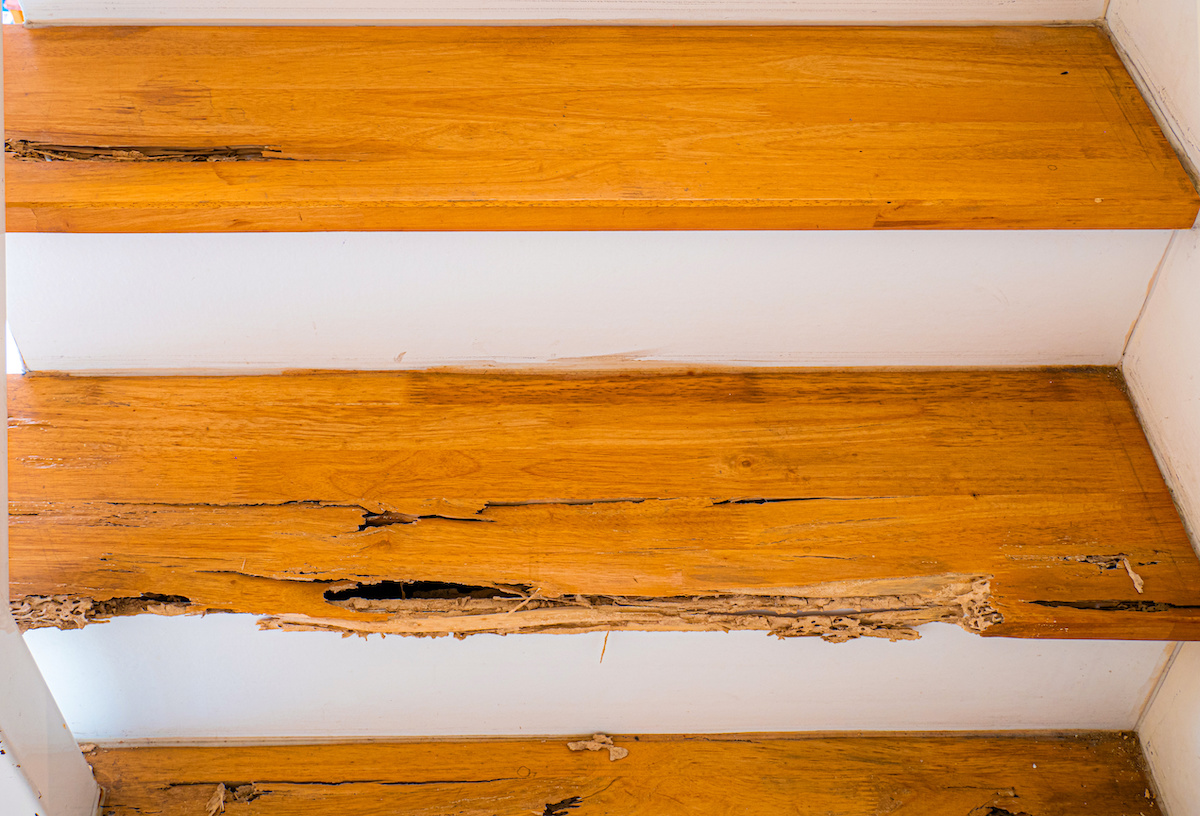
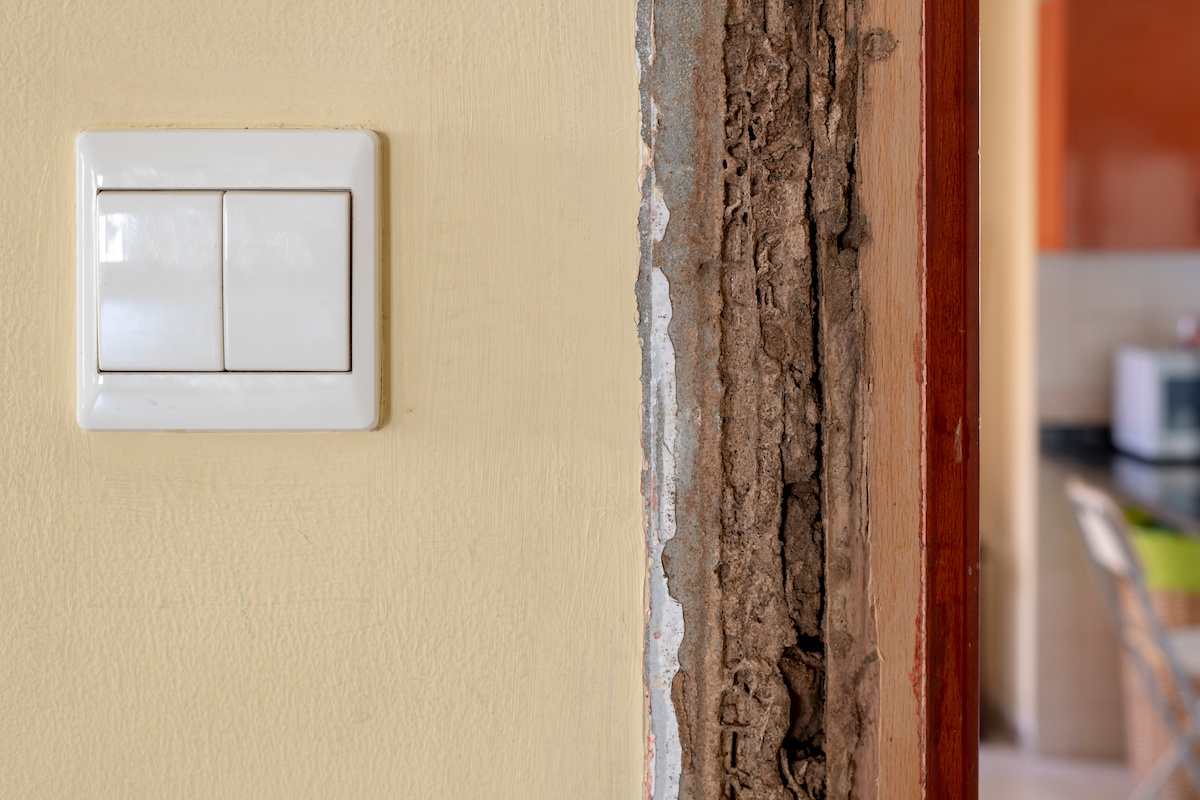
- Damage to wood: Termites eat wood, so if you see any damage to wood in your home, it's a sign that you may have an infestation. This damage can be found in the form of small holes, tunnels, or even the complete collapse of wood structures.
Contact Bingham Pest Control & Fumigation for Help with Termite Infestations
When it comes to termites, prevention is better than a cure. Given the stance of federal and state governments and insurance companies, it's clear how seriously the threat of termites is taken. Drive-bye can provide you with a free inspection, and a paid report if you choose. Voted Best of the Best from Tampa Bay Times in 2020, 2021, and 2022, and we look forward to helping you with termite insurance and more.